


Showing posts with label Vegetables. Show all posts
Showing posts with label Vegetables. Show all posts
Tuesday, September 4, 2012

Wednesday, June 27, 2012
Wednesday, February 16, 2011
Brussel Sprouts
Yummy Yummy Brussel Sprouts! Tiny little versions of cabbage heads that are soooo wonderfully delicious and nutritious :)

- Brussel sprouts contain phytonutrients that help our body to promote the production of enzymes involved in detoxification.
- Like all veggies, it can help you fight cancer....isn't amazing how all the cancer-fighting properties are found in the raw form of veggies that come from our Earth?? It's the way we are meant to eat!
- They have cholesterol-lowering benefits
- It's chalk-full of vitamins, minerals and antioxidants! Just check out the chart below!

(chart taken from whfoods.com)
For even more info on the benefits of brussel sprouts visit here.
Thursday, February 11, 2010
Leeks
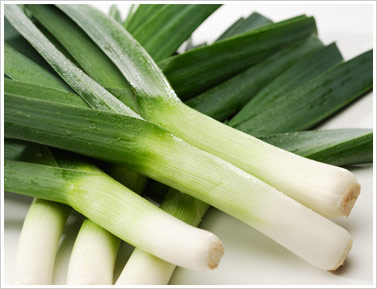
Not too many people know what these giants are, even less eat them.
Leeks look like a giant green onion and that would be because it belongs to the garlic and onion family (Allium vegetables).
Leeks are a good source of manganese and a good source of vitamin B6, vitamin C, folate, and iron. This particular combination of nutrients would make leeks particularly helpful in stabilizing blood sugar, since they not only slow the absorption of sugars from the intestinal tract, but help ensure that they are properly metabolized in the body.
Regular consumption of Allium vegetables, as little as two or more times a week, is associated with a reduced risk of prostate and colon cancer. The research focused on colon cancer suggests that several of the compounds found in these foods are able to protect colon cells from cancer-causing toxins, while also stopping the growth and spread of any cancer cells that do happen to develop. Ovarian cancer is also shown to be reduced.
A high intake of Allium vegetables has been shown to reduce total cholesterol and LDL, or "bad" cholesterol levels, while at the same time raising HDL, or "good" cholesterol levels. Allium vegetables have also been shown to lower high blood pressure, another risk factor for heart attack and stroke.
So how do you eat Leeks?? You want to trim about 1/4" from the root bottom and a good portion of the dark green top. I like to remove the outer layer. Dirt will get stuck in between the many layers of this vegetable so you want to wash it thoroughly. You can toss sliced leek into an omelet or frittata, or use them to garnish.
Thanks to a wonderful vegetarian cookbook author, Mollie Katzen: The Vegetable Dishes I Can't Live Without, I am incorporating leeks and other more interesting, less noticed vegetables in my diet. Here is her recipe for "Leek Chips".
After trimming off the roots and dark greens so that you are only using the white and light green portions, slice the leek into 1/4" pieces. Put them in a bowl of cold water to rinse the dirt off and seperate all the layers into several rings. When they are all seperated, transfer to a colander to drain. Pat dry.
Line a try with tin foil and drizzle 1-2 tablespoons olive oil. Dump the leeks onto tray and using tongs, toss the leeks with the olive oil. Bake in a 250 degree oven. Times of baking will vary. Some of the leeks will be done in thirty minutes and some may take an hour. When they are golden and crisp tender, remove them as they are done. Season with salt and wallah!!
Friday, December 18, 2009
Sweet Potato

Did you know that these little orange potatoes populary labeled as yams in U.S. grocery stores are actually sweet potatoes?? Sweet potatoes have yellow or orange flesh and their thin skins may be either white, yellow, orange, red or purple. A true yam is the tuber of a tropical vine, has brown or black thick skin comparable to the bark of a tree, very difficult to peel and is unrelated to sweet potatoes at all.
Sweet potatoes:
- Unique proteins with potent antioxidant effects.
- A sweet source of good nutrition
- Anti-oxidant rich and an anti-inflammatory food.
 (chart adapted from whfoods.com)
Friday, November 6, 2009
Asparagus

Mmmmm.....Asparagus!! I love this stuff!! And there are lots of reasons why, besides the fact that it tastes really good!
Asparagus is:
- great for your heart health because it is pumped full of folate. Folate is essential for a healthy cardiovascular system. Also, because asparagus has high amounts of folate, it makes it an excellent birth defect fighter. Without folate, the fetus' nervous system cells do not divide properly. Just one serving of asparagus supplies almost 66% of the daily recommended intake of folate!
- also a good source of potassium while being quite low in sodium. This, combined with an active amino acid, makes asparagus a great natural diuretic. Body builder competitors incorporate asparagus in their daily diets to help them keep off water weight. Apparently, asparagus has been used to treat problems involving swelling, such as arthritis and rheumatism, and may also be useful for PMS-related water retention (I just learned something new with that and I plan to put that to the test!!).
- contains a special kind of carbohydrate called inulin that we don't digest, but the health-promoting friendly bacteria in our large intestine do. When our diet contains good amounts of this carbohyrdrate, the growth and activity of the friendly bacteria increase, making it much more difficult for unfriendly bacteria to thrive.
So eat up!! Don't be afraid of the 'aspargus-pee' - it's benefits far outweigh that small detail! By the way, I looked up the reason for that, and it turns out it is due to sulfur-containing amino acids which break down after ingestion and lovingly creates that strange odor in urine. I also didn't know that only about 50% of the population may notice the smell!
One more note: Asparagus contains naturally-occuring substances called Purines. 'Since purines can be broken down to form uric acid, excess accumulation of purines in the body can lead to excess accumulation of uric acid.' Individuals with kidney probemes - like kidney stones- or gout (two examples of uric acid-related problems) may want to limit their intake of purine-containing foods. Asparagus is a wonderful health beneficial food, but in all things moderation!

Wednesday, October 28, 2009
To The Rescue: Broccoli

Broccoli. One of many amazing super foods. I love broccoli when it is lightly steamed, so you aren't cooking out all the nutrients it is packed with, and still a bit crunchy. Yum!
- is fiber-rich, which helps out your GI (gastrointestinal) tract.
- reduces blood cholesterol levels
- is loaded with Vitamin C, which aids iron absorption, prevents the development of cataracts, and eases the symptoms of colds.
- has folic acid which helps women sustain normal tissue growth and helps fight birth defects
- aids those battling high blood pressure and osteoporosis due to its high amounts of potassium.
- contains the phytonutrients sulforaphane and the indoles, which have significant anti-cancer effects.
- can optimize your cells' detoxification process
- helps sun-damaged skin
- has cardiovascular benefits
- been linked to preventing and controlling Alzheimer's disease, diabetes, malignant tumors, athritis and even the aging process.
Now that's a lot of power in a little tiny veggie!!

Subscribe to:
Posts (Atom)

